
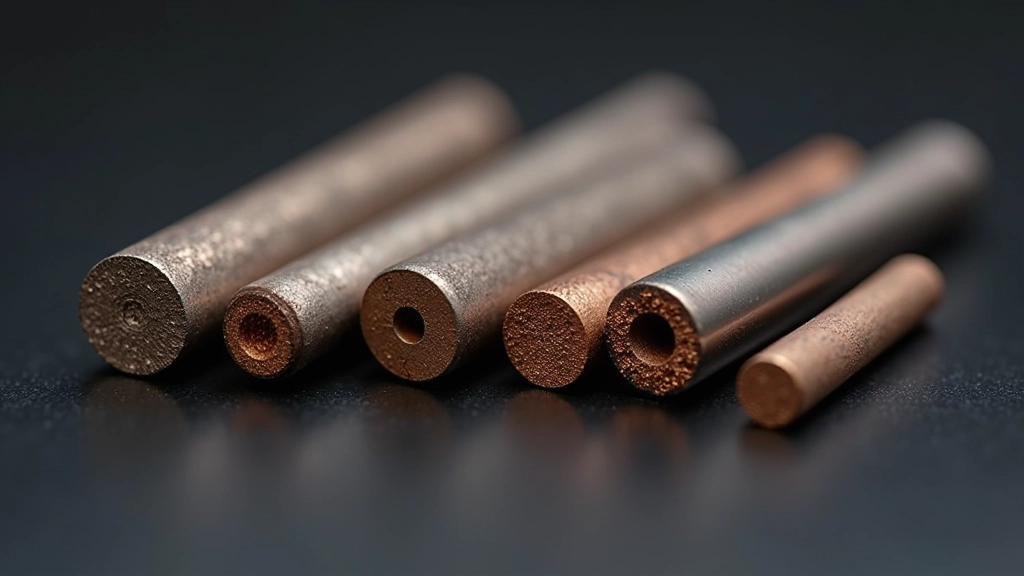
Electrode Types and Applications in Metal Fabrication
Different electrode types suit different metals and joining techniques. Learn why selection matters for your results.
Read MoreA breakdown of wire diameter, material composition, and shielding gas compatibility. We'll help you match the right wire to your equipment and project requirements.
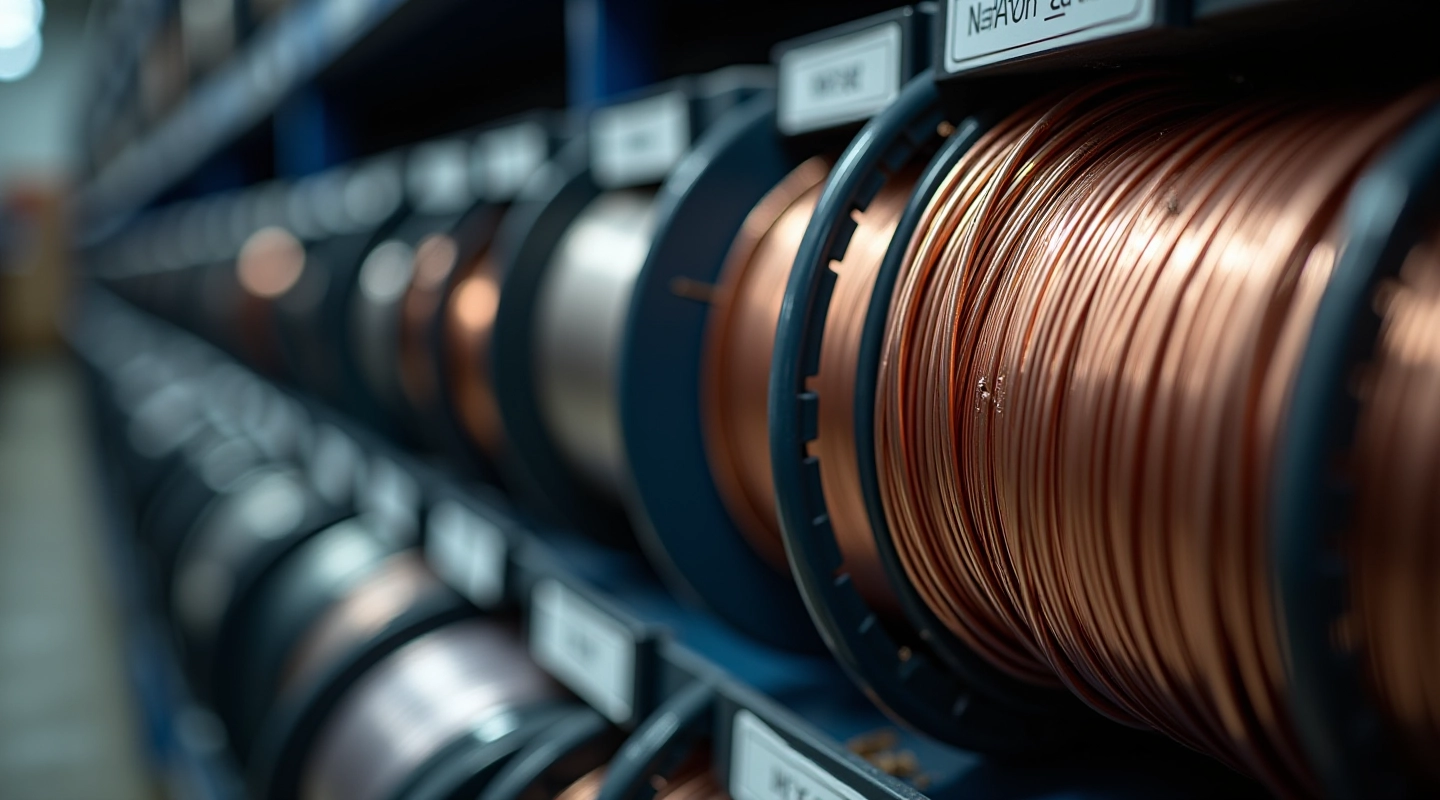
MIG welding's popularity comes from its simplicity, but that doesn't mean all wires are interchangeable. The wire you choose directly affects your weld quality, equipment compatibility, and project costs. Get it wrong, and you're dealing with spatter, porosity, or equipment that won't feed properly.
We're focusing on the practical side here—the specifications that actually matter when you're ordering consumables for your shop. Diameter, composition, shielding gas, and wire feed speed are the core variables. Understanding how these work together is the difference between smooth production runs and troubleshooting sessions.
Wire diameter is your first decision point. The most common sizes are 0.023", 0.030", 0.035", and 0.045". Each has its place, and your equipment's wire drive and liner size determine what you can actually use.
The 0.030" diameter is the workhorse. It's compatible with most hobby and professional equipment, handles a decent amperage range, and isn't fussy about shielding gas. If you're starting out or running a mixed shop, this is where you'll spend most of your time.
Thinner wires—0.023" or even 0.020"—work better for sheet metal and light-gauge work. You'll get cleaner penetration and less distortion on thin materials. The downside? They're more sensitive to feeding issues and contamination. You need a solid wire drive system to keep them running smoothly.
Thicker wires like 0.045" are for heavy structural work. You're running higher amperages, moving faster, and filling gaps that would take forever with smaller wire. But you need equipment rated for it—not every shop can handle these.
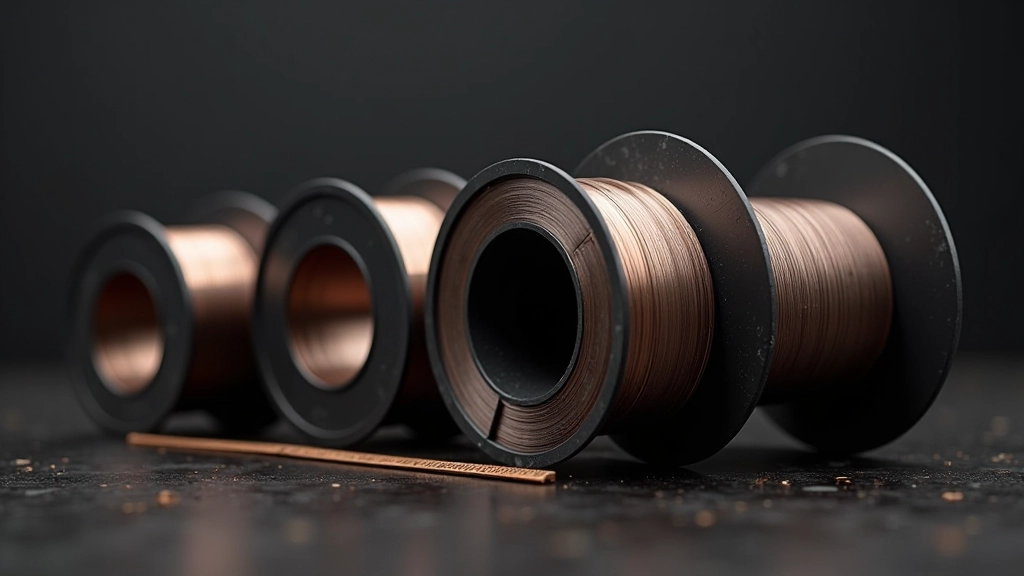
Your wire needs to match—or be compatible with—the metal you're joining. Mild steel wire on mild steel base metal is straightforward. You're looking at ER70S-2, ER70S-3, or ER70S-6 designations, which all work with standard carbon steel.
The differences between those grades? Deoxidizers and manganese content. ER70S-6 has more deoxidizers, making it more forgiving with rusty or dirty base metal. If your material isn't pristine, that extra tolerance matters. ER70S-2 is cleaner for well-prepared surfaces.
Stainless steel wire requires its own equipment setup. You can't just swap wire and expect it to work—the drive mechanism, liner, and gas settings all change. Aluminum's even more demanding. It's soft, doesn't feed like steel, and needs a spool gun or push-pull system on most machines.
Here's where people get tripped up. Your wire choice and gas choice aren't independent. They work together, and mismatching them ruins your results.
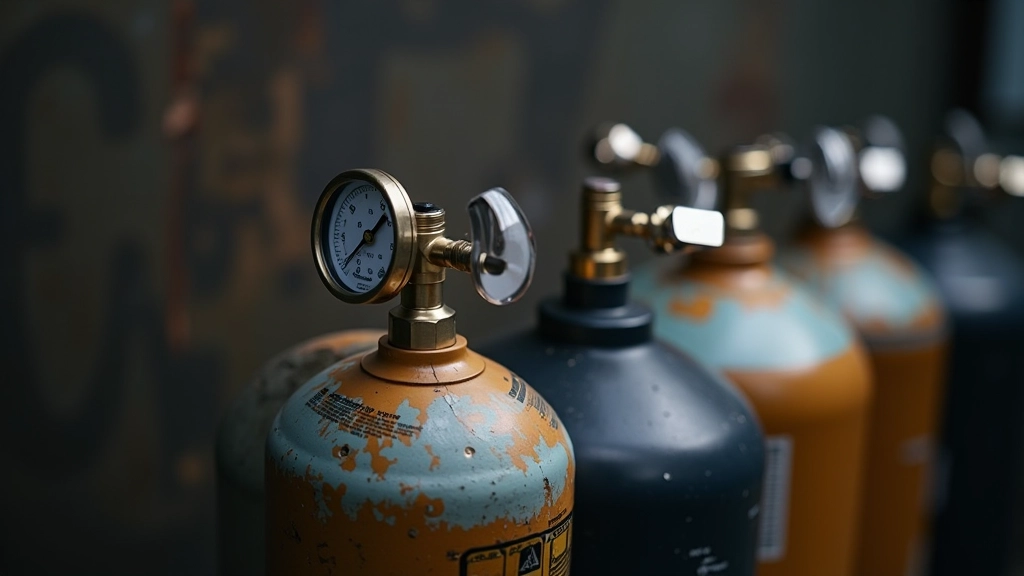
Pure CO₂ is cheap and penetrates deep—great for structural steel. But it creates spatter and a less-than-clean weld bead. Most shops use an argon-CO₂ blend instead. You get the penetration of CO₂ with better arc stability and less spatter from the argon. A 75/25 or 80/20 blend is standard for mild steel.
Pure argon works for stainless steel and aluminum. It gives you a tight, clean arc and minimal spatter. The tradeoff is less penetration, so you need to adjust technique and travel speed. And you'll burn through more gas, which affects your consumables budget.
Deep penetration, high spatter, structural work
Balanced performance, cleaner, most common
Clean arcs, stainless/aluminum, less penetration
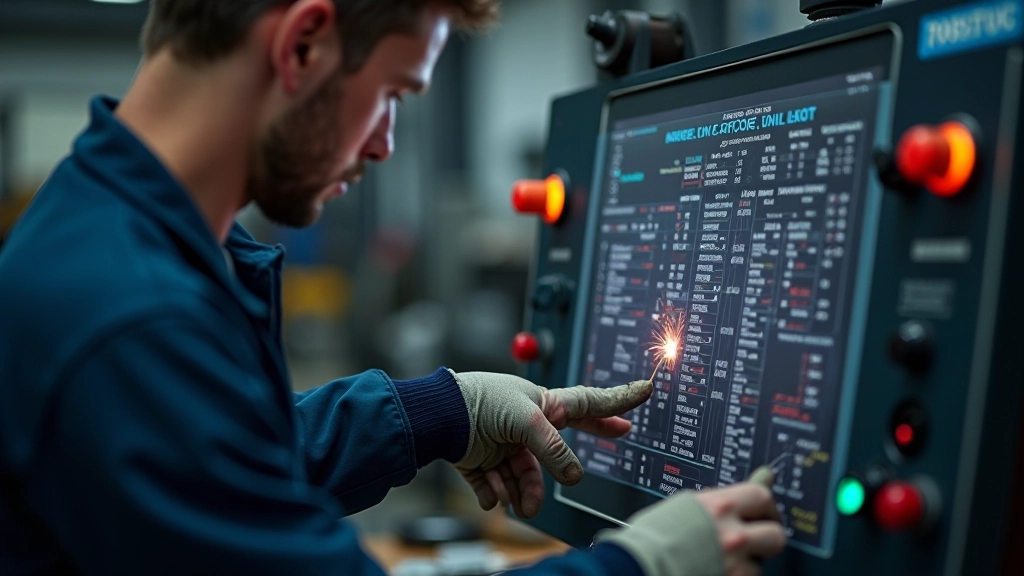
When you're actually selecting wire for a job, here's the thought process. First, what are you welding? Steel, stainless, or aluminum? That determines your wire alloy. Second, how thick is the material? Sheet metal gets 0.023" or 0.030", thicker stuff needs 0.035" or 0.045".
Third question: What does your equipment support? Check your machine's documentation. Not all machines can handle all wire diameters. Your wire drive and liner need to match. Fourth: What gas are you using? That locks in your wire selection too—some wires work better with specific gas combinations.
Once you've got those variables locked down, you're looking at wire feed speed settings. Thinner wires run faster (150-200 ipm typically), thicker wires slower (100-150 ipm). Your machine has charts for this, and honestly, they're pretty accurate. Start there, then dial it in based on your actual results.
MIG wire selection isn't mysterious. It's about matching three things: your material, your equipment, and your shielding gas. Get those aligned, and you'll have consistent, quality welds. Misalign them, and you're chasing problems that don't actually exist—the wire wasn't wrong, it just wasn't right for that specific situation.
When you're ordering consumables wholesale, this knowledge pays off. You're not just buying wire—you're buying the right wire for your actual work. That's how you optimize costs and reduce waste.
This guide is informational and based on general welding practices and equipment standards. Specific requirements vary based on your equipment manufacturer, material specifications, and local industry standards. Always consult your equipment manual and material safety data sheets. For specialized applications or equipment-specific guidance, contact your equipment manufacturer or a qualified welding engineer.

Editorial Team
Written by the wenroquest editorial team, focused on practical, transparent guidance for welding consumable sourcing.
Different electrode types suit different metals and joining techniques. Learn why selection matters for your results.
Read More
Humidity, temperature, and storage conditions directly affect consumable performance. Here's how to maintain quality.
Read More
Balancing quality with volume purchasing doesn't mean cutting corners. Learn how to optimize your consumables budget.
Read More